

How to Handle Investments and Money During Inflation
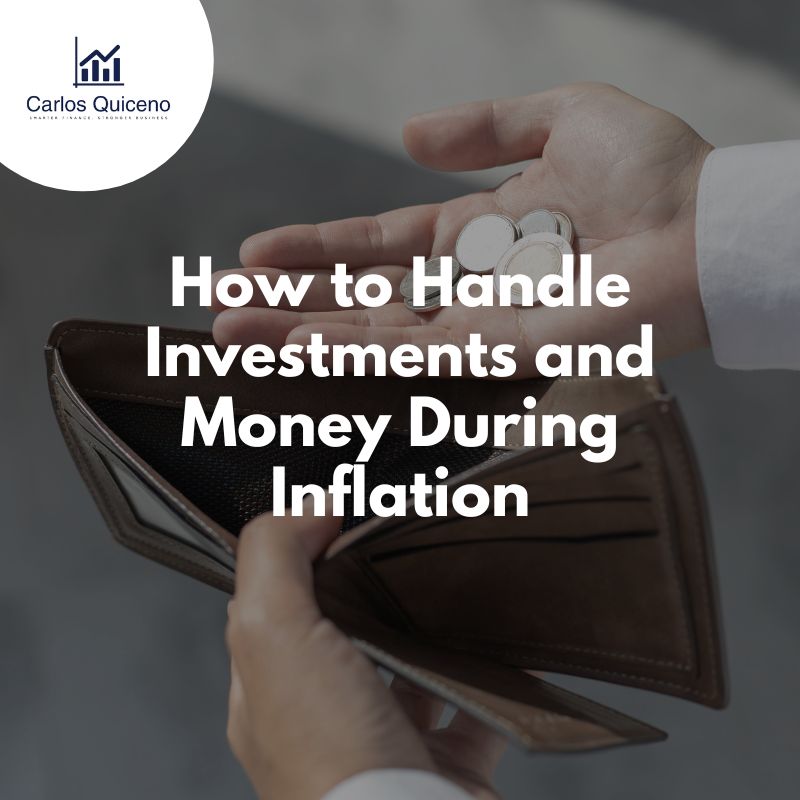
Inflation is one of the most challenging economic factors for investors and people trying to preserve the value of their money. During inflationary periods, the prices of goods and services increase, reducing purchasing power and potentially eroding the value of long-term investments. So, how can we protect our finances and maximize investment opportunities during inflation? Below, we explore some key strategies.
1. Diversify Investments
One of the most effective ways to handle inflation is to diversify your investments. By spreading your money across different asset classes, you can reduce the risk associated with inflation. Investing in a mix of stocks, bonds, real estate, commodities (such as gold), and index funds can protect your portfolio from inflation’s adverse effects. Tangible assets like gold or real estate tend to retain their value during inflationary periods.
2. Invest in Inflation-Resistant Companies
Stocks in companies that can pass costs onto consumers are often a good option during inflation. Businesses in sectors like energy, consumer staples, and healthcare tend to be more resilient to inflation because their products or services are essential, and consumers continue to demand them despite price increases.
3. Keep Cash in Inflation-Protected Financial Products
While holding large amounts of cash during inflation is generally not advisable, some financial products are specifically designed to protect your cash’s value. Treasury Inflation-Protected Securities (TIPS) are one example. These government-backed bonds adjust their value based on inflation rates, helping to safeguard your investment.
4. Review and Adjust Personal Budget
In addition to investing wisely, it is crucial to review and adjust your budget during inflationary periods. Make sure you have a strict control over your expenses and consider reducing costs in non-essential areas. Maintaining a healthy cash flow is essential to ensure you can handle price increases without negatively impacting your long-term finances.
5. Avoid Unnecessary Debt
During inflation, borrowing costs can rise, which could make debt repayment harder if your income does not keep pace. Therefore, it is advisable to avoid unnecessary debt and focus on paying off existing debts as quickly as possible. Keeping debt levels low can protect you from the negative effects of higher interest rates.
6. Invest in Real Estate
The real estate market can be an excellent hedge against inflation. Properties tend to appreciate over time, protecting the capital invested. Additionally, rents usually rise during inflationary periods, which can generate higher income for property owners.
7. Consider International Investments
In some cases, diversifying into international markets can offer greater protection against local market inflation. Investing in foreign stocks or bonds in emerging markets can help reduce the risk of your entire portfolio being impacted by inflation in just one country.
Conclusion
Inflation is an inevitable economic reality, but with careful planning and a solid investment strategy, you can protect your money and investments. Diversifying your portfolio, investing in inflation-resistant assets, and keeping tight control of your personal finances are essential steps to ensuring your long-term financial security.